Introduction to Home Gyms
The rising trend of home workouts reflects a significant shift in how individuals approach fitness. With the necessary adjustments in lifestyle due to various circumstances, many have recognized the advantages of establishing a personal workout space at home. A home gym not only offers convenience but also caters to a more personalized fitness experience, particularly valuable for those working with limited budgets.
Establishing a home gym can impart numerous financial benefits in the long run. Traditionally, gym memberships involve monthly fees that can quickly accumulate over time. By investing in your own fitness space, you circumvent those recurring costs and create a sustainable alternative. Additionally, the flexibility of working out at home eliminates the need for commuting, allowing for more efficient use of time.
Moreover, a home gym enables customization of the workout environment according to individual preferences. Whether you prefer the solitude of early morning workouts or the relaxation of exercising in the evening, your schedule and routine can be tailored to fit your lifestyle. This level of personal control is often difficult to achieve in a commercial gym setting, where, for instance, the availability of equipment and space can fluctuate based on peak hours.
Furthermore, the accessibility of fitness equipment has transformed dramatically in recent years. The market is inundated with affordable options, allowing enthusiasts to build a functional home gym without breaking the bank. This development, combined with the increasing availability of online workout resources, makes home workouts practical and appealing.
Given these combined benefits, the establishment of a home gym represents a proactive approach for those aiming for a budget-friendly, convenient, and personalized fitness journey. As this trend continues to gain traction, it underscores the growing necessity for individuals to adapt their fitness strategies to align with their unique circumstances and goals.
Set Your Fitness Goals
Before establishing a home gym, it is vital to define your fitness goals clearly. Having specific, actionable objectives can provide direction and determine which equipment you need and how to set up your space effectively. Fitness goals can be categorized into various types, including weight loss, muscle gain, flexibility improvement, and endurance enhancement. Each of these goals necessitates different approaches and equipment, which will be critical in the design of your home gym.
For instance, if your primary goal is weight loss, incorporating cardio equipment such as a stationary bike or jumping rope may be essential. You may also want to focus on bodyweight exercises or circuit training, which can be accomplished with minimal equipment. Conversely, if muscle gain is your objective, investing in free weights, resistance bands, or a multi-gym system could be more beneficial. These tools allow for a variety of strength training exercises that are foundational for building muscle.
Furthermore, flexibility goals may encourage the inclusion of yoga mats and foam rollers, promoting mobility and recovery. On the other hand, a focus on endurance could lead to a preference for equipment that supports high-intensity intervals, such as kettlebells or battle ropes.
When considering how these fitness goals influence the layout of your home gym, think about creating designated areas for different types of workouts. This organization not only maximizes space but also provides a focused environment to help you stay motivated and on track. Additionally, understanding your goals allows you to prioritize essential equipment, helping you to create a functional gym that satisfies your specific fitness needs while staying within your budget.
Assessing Your Space for a Home Gym
When embarking on constructing a home gym on a small budget, the initial step is to assess your available space. Different living environments provide unique challenges and opportunities for gym setups, and understanding these will guide your planning process.
For those residing in small apartments, every square foot is precious. Look for underutilized areas; a corner of the living room or even a versatile hallway can serve as a workout zone. Multifunctional furniture, such as a foldable bench or smart storage solutions, can help in maximizing the area without compromising your living space.
Basements often offer more room compared to apartments, but this setting can come with limitations like low ceilings or dampness. Before settling on a basement workout area, assess the flooring. Concrete surfaces can be tough on joints, so investing in good-quality mats can enhance comfort during workouts. Additionally, ensure there’s adequate ventilation or consider portable fans to keep the space cool and comfortable.
If you’re lucky enough to have a garage, this can be an ideal location for your home gym setup. Garages usually have ample space to accommodate larger equipment, but they also require organization. Designate zones for different activities, such as cardio or strength training, and use shelving to keep equipment tidy. Make sure to address ventilation as garages can become stuffy. Opening doors or installing windows can help improve airflow.
Regardless of your living space type, remember to consider the flooring of your gym area. Soft floors can improve comfort, while hard surfaces may require protective mats. Evaluating your space thoughtfully and addressing these factors will help you create an effective and enjoyable home gym environment on a budget.
Essential Equipment for Your Home Gym
Creating a home gym does not require a substantial financial investment. Several pieces of essential equipment can be purchased at minimal costs while allowing for a versatile workout experience. This section highlights key items that are affordable yet effective for various fitness routines.
One of the most beneficial tools for a budget-friendly home gym is the resistance band. These elastic bands come in a variety of resistance levels, making them suitable for all fitness levels. Resistance bands can be utilized for strength training, flexibility workouts, and rehabilitation exercises, thereby offering a comprehensive approach to fitness without the need for free weights.
Dumbbells are another excellent addition to any home gym. With adjustable dumbbells available at reasonable prices, you can easily tailor the weight to your fitness level, making them ideal for a diverse range of exercises from strength training to cardiovascular workouts. They not only occupy minimal space but also facilitate a multitude of exercises targeting different muscle groups.
Moreover, a yoga mat is essential for a wide array of workouts, including yoga, pilates, and bodyweight exercises. This piece of equipment not only provides a comfortable surface for floor exercises but also helps to absorb impact, reducing the risk of injury.
Choosing multi-use equipment is advantageous, as it allows for a broad spectrum of workouts without the necessity of multiple pieces of gear. For instance, a stability ball can serve for core workouts, stretching, and as a bench for weight exercises. By selecting versatile fitness equipment, you create an effective workout space that encourages both strength training and flexibility, all while remaining within a reasonable budget.
Creative Solutions for Equipment
Building a home gym on a limited budget does not necessitate the purchase of expensive fitness equipment. In fact, there are numerous creative alternatives that can easily substitute pricey gym items. One of the most accessible solutions is utilizing common household items. For instance, water bottles can serve as effective hand weights. By filling them with water or sand, individuals can customize the weight to suit their fitness level, making them a versatile option for a variety of exercises.
Another great alternative involves using a backpack filled with books or other heavy items. This allows one to perform weighted exercises such as squats, lunges, or shoulder presses without the need for traditional weights. Moreover, a sturdy chair or a low table can be transformed into a workout station, where individuals can perform exercises like step-ups, tricep dips, or elevated push-ups. Creativity in workout routines can greatly enhance results while keeping costs down.
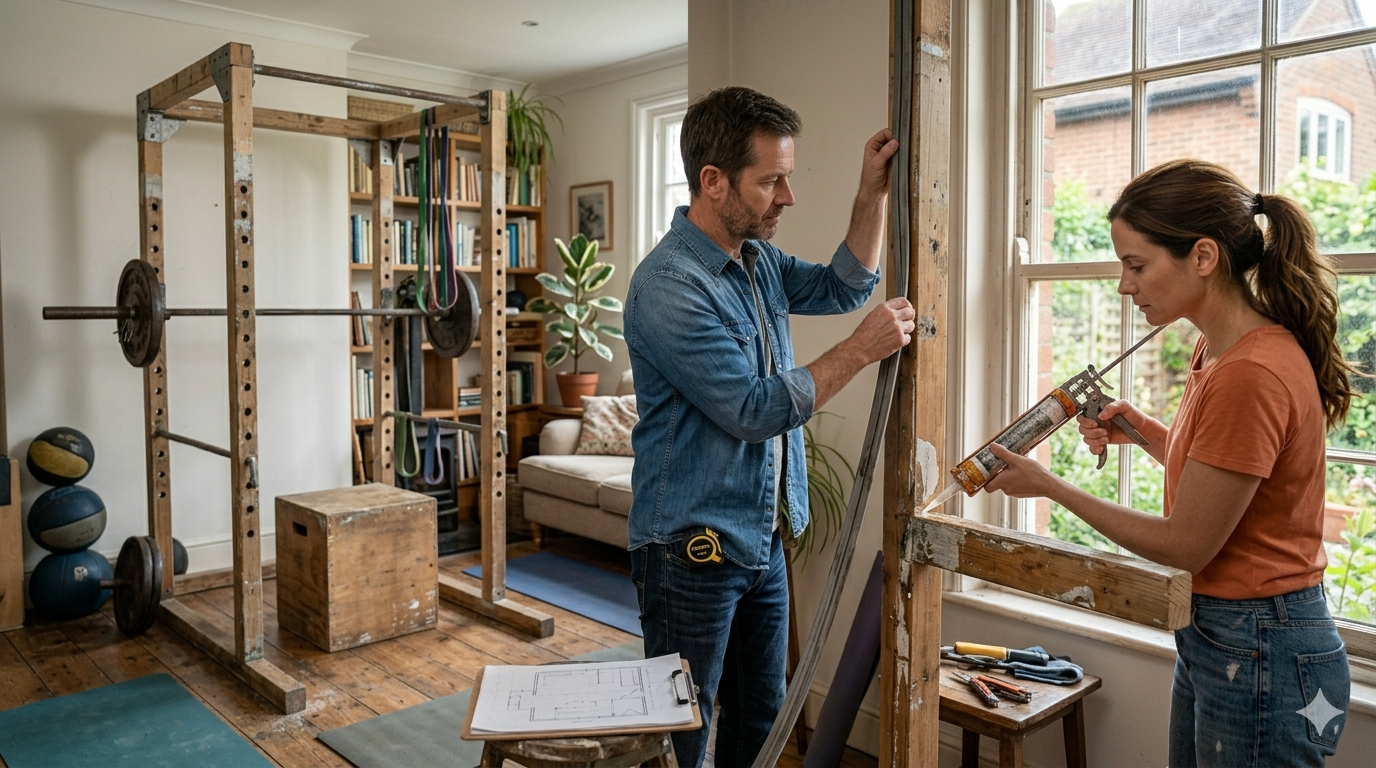
For those inclined towards DIY projects, constructing custom gym equipment can be both fulfilling and budget-friendly. A homemade squat rack can be made using durable wood beams, ensuring stability and safety during workouts. Additionally, a bench can easily be crafted using a combination of sturdy pallets or foam padding and a wooden frame, offering a reliable surface for numerous exercises.
Utilizing these innovative solutions not only saves money but also adds a personal touch to your fitness journey. Leveraging everyday objects and following simple DIY methods can create an effective workout environment without financial strain. Hence, adopting these creative alternatives is a practical step for anyone looking to establish a home gym while remaining mindful of their budget.
Finding Affordable Gear
Building a home gym on a small budget requires ingenuity and resourcefulness, particularly when sourcing affordable fitness equipment. One of the most promising avenues to explore is local thrift stores. These establishments often stock a variety of second-hand gear, ranging from weights to cardiovascular machines, at significantly reduced prices. When visiting a thrift store, it is imperative to inspect items closely for any signs of wear or damage, ensuring the safety and functionality of your purchases.
Another excellent option for budget-conscious consumers is online marketplaces like Craigslist, Facebook Marketplace, or OfferUp. Here, individuals often sell gently used fitness equipment at a fraction of the original cost. When browsing these platforms, leverage search filters to pinpoint listings that meet your criteria, such as location and price range. Keep in mind to set a budget beforehand to avoid overspending and prioritize items that suit your fitness goals.
Garage sales can also yield unexpected treasures. Often, households wish to declutter, leading to the sale of various fitness items for a nominal fee. When attending a garage sale, do not hesitate to negotiate prices. Sellers may be willing to reduce costs further if they find their merchandise is not moving as quickly as hoped.
Lastly, shopping the clearance sections of sports stores can uncover valuable equipment at discounted prices. Retailers frequently mark down items to make room for new inventory. Monitoring these sections regularly can lead to discovering quality gear, perfect for enhancing your home gym. Be attentive to seasonal sales and promotions that can provide additional savings.
Budgeting for Your Home Gym
Establishing a home gym on a small budget is entirely feasible with proper planning and budgeting. One of the first steps in the process of building your own workout space is determining a realistic financial framework that aligns with your fitness goals. Understand that the expenses involved in setting up a home gym can vary widely depending on your preferences, space availability, and the quality of equipment you wish to purchase.
To create an effective budget, start by listing the essential equipment you need. Basic items such as dumbbells, resistance bands, a yoga mat, and a stability ball can allow for a versatile workout routine without a significant investment. On average, assembling a foundational home gym can range from $200 to $500, depending on the number of items and their quality. Moreover, setting aside a portion of your budget for upgrades or additional equipment in the future can enhance your flexibility and growth in your fitness journey.
An important aspect of budgeting is tracking the money saved from not having a gym membership. For instance, if you previously paid $50 monthly for a gym membership, this results in an annual savings of $600. By reallocating those funds toward building and maintaining your home gym, you can rapidly create an efficient and personalized workout environment. To maintain financial discipline, consider implementing a budgeting app or a simple spreadsheet to monitor your expenses and savings closely.
Moreover, it can be wise to check for second-hand equipment or sales, as numerous outlets offer excellent deals on quality gym gear. Joining community groups focused on fitness can also present opportunities to discover budget-friendly equipment options or trade with others, ultimately maximizing your budget while achieving your fitness objectives.
Designing Your Home Gym Layout
Creating an effective home gym that maximizes your available space and budget requires careful planning and design. The layout of your gym significantly impacts functionality and motivation. Begin by assessing the size and shape of the space you have dedicated to your home gym. Measurements will help establish a clear boundary for your workout area. Next, factor in the equipment you plan to use; choose versatile pieces that can be used for multiple exercises, saving both space and cost.
Lighting plays an essential role in setting the ambiance of your gym. Natural light is ideal, as it can enhance your mood and energy levels. If natural light is limited, consider installing bright but gentle artificial lights that imitate daylight, ensuring the area is well-lit for effective workouts. Additionally, strategically placed mirrors can create an illusion of more space while providing the ability to monitor your form during exercises.
It is vital to maintain a clutter-free environment in your home gym. Invest in storage solutions that can neatly organize weights, resistance bands, and other fitness accessories. Wall-mounted shelves or hooks can serve as efficient ways to keep equipment off the floor and readily accessible. Using vertical space will help keep the area tidy while maximizing usage.
Finally, to cultivate a motivational atmosphere, consider incorporating decor elements that inspire you. Motivational quotes or artwork can be displayed on the walls, while a vision board featuring fitness goals can offer visual encouragement. The inclusion of plants or natural elements can add vibrancy and help create a calming effect, making your workouts more enjoyable.
Staying Motivated and Consistent
Establishing a home gym can be an effective way to exercise, particularly when working with a limited budget. However, one of the key challenges of working out at home is maintaining motivation and consistency. Developing a structured workout schedule is one of the most effective strategies to combat this challenge. To start, consider dedicating specific days and times for your workouts, treating them as important appointments. This consistency creates a routine that signals your mind and body when it’s time to engage in physical activity.
Accountability is another essential factor in staying committed to your fitness goals. Finding a workout buddy, even if virtually, can enhance your commitment to regular exercise. Schedule regular check-ins to discuss challenges and share successes to keep each other motivated. Utilizing social media platforms or fitness apps allows you to track progress, celebrate milestones, and connect with a community of like-minded individuals, further enhancing your commitment to your home gym routine.
Creating a dedicated space for your home gym is fundamental in establishing a clear division between leisure and exercise. Make this area inviting by organizing your equipment and designing it according to your personal preferences. This physical separation can enhance your mental approach to working out. To make your workouts more enjoyable, introduce variety into your routine by alternating between cardio, strength training, and flexibility exercises. Consider incorporating music or podcasts to make the experience more engaging.
Lastly, don’t forget to set achievable fitness goals that motivate you. Whether it’s enhancing your endurance, building strength, or simply feeling better, these objectives provide a sense of purpose to your sessions. Celebrate small achievements to keep spirits high, and always remember to be kind to yourself throughout your fitness journey.